Ask any traveller what colour Uluru is, and you’ll get one answer: red. But if you’ve stood there in the late afternoon — boots coated in red dust, mozzies circling, billy tea still warm — you’ll know the real answer is: it depends.
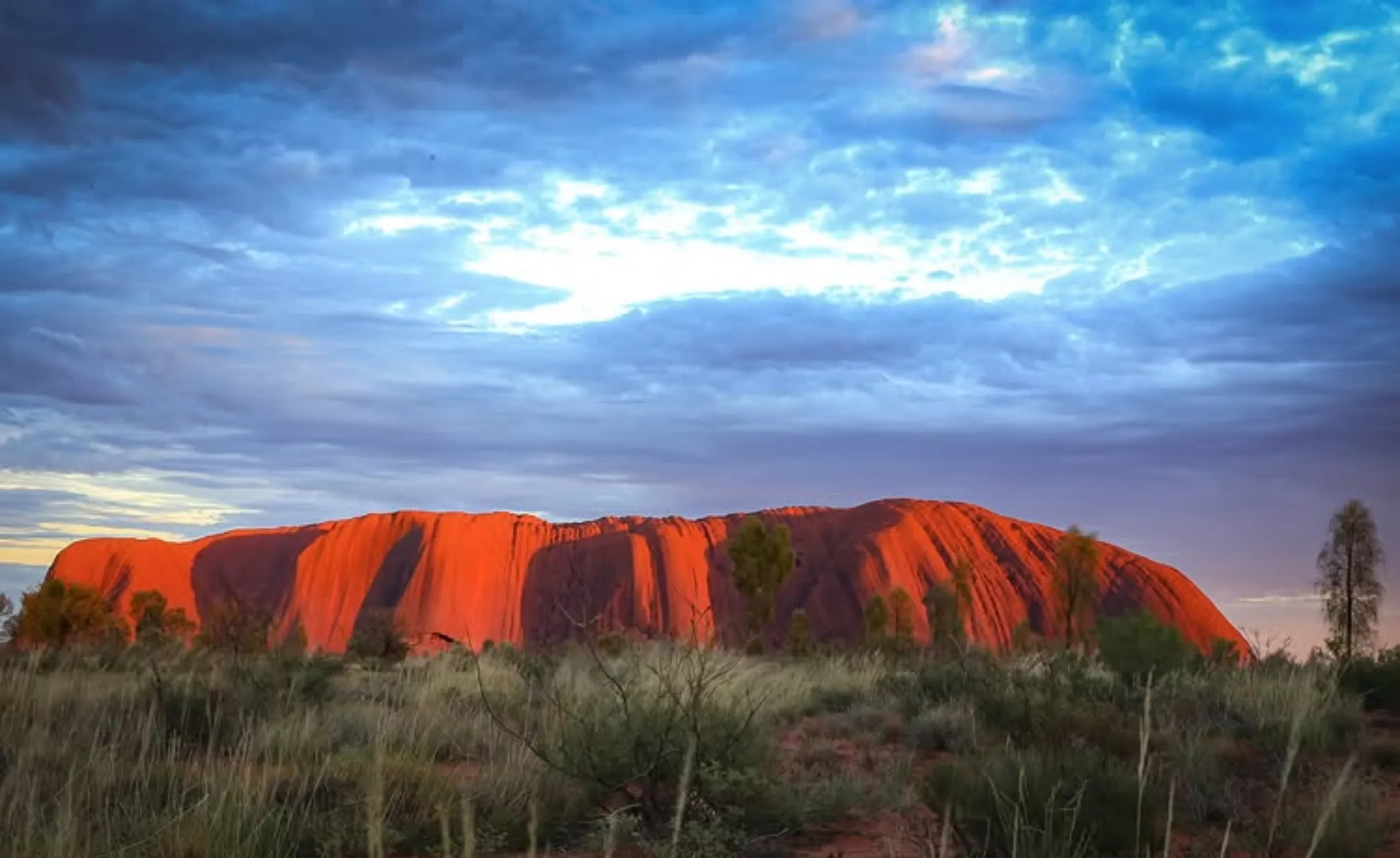
Uluru’s famous sunset glow isn’t just a trick of the light — it’s a full-blown outback magic show. And like any good show, it’s all about timing, angles, and being in the right place with your eyes wide open (and camera charged, if you must).
So why does Uluru turn red at sunset? And more importantly — how can you get the best look at it? I’ve been lucky enough to watch the rock change colour more times than I can count, from dry-season road trips to stormy summer afternoons. Here’s everything I’ve learned — with a few cheeky tips to help you dodge the crowds and find your own moment with the big red rock.
Contents
Why It Turns Red at Sunset
It’s All About Iron, Light, and Dust
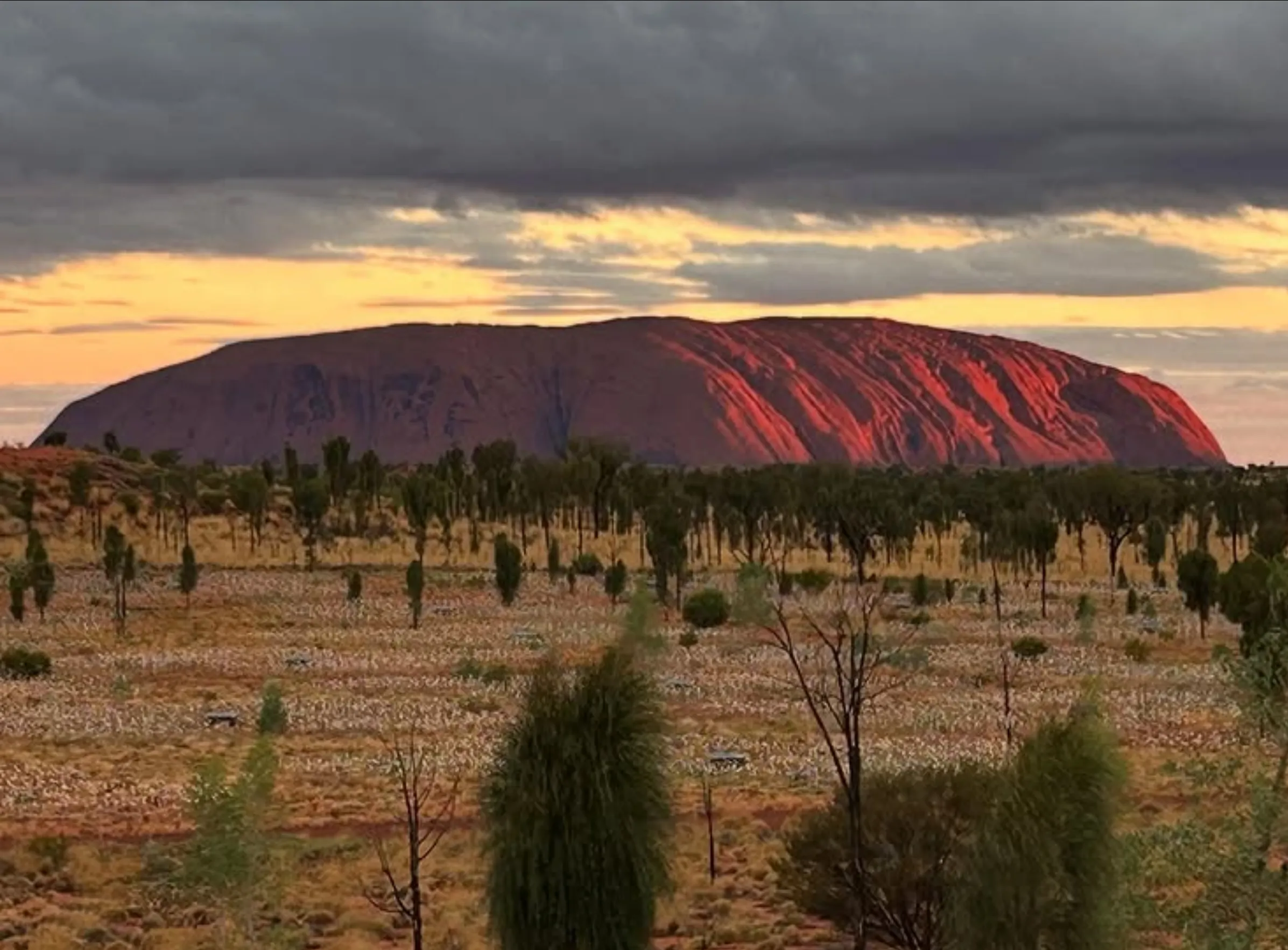
Uluru’s rusty glow comes from its outer layer of sandstone, which is rich in iron oxide. That’s right — the same stuff that makes blood red and corrugated roofing rust. The reddish colour is part of what makes this massive rock one of Australia’s most recognisable natural wonders.
But it’s not just the rock’s makeup doing the heavy lifting — it’s the angle of the sun.
When the sun’s low on the horizon — think golden hour, mate — its light has to pass through more atmosphere. That means shorter wavelengths (like blue) get scattered, while longer red and orange tones come through stronger. Combine that warm light with a rock that’s already pretty rust-coloured and boom — the whole thing flares up like it’s on fire.
Add a Bit of Desert Drama
Uluru doesn’t change colour once — it shifts dozens of times in the space of an hour. From ochre to burnt orange, deep crimson to purplish brown — especially if there’s cloud cover or a bit of dust in the air. Desert particles can amplify the sunset, scattering more light and intensifying the hues.
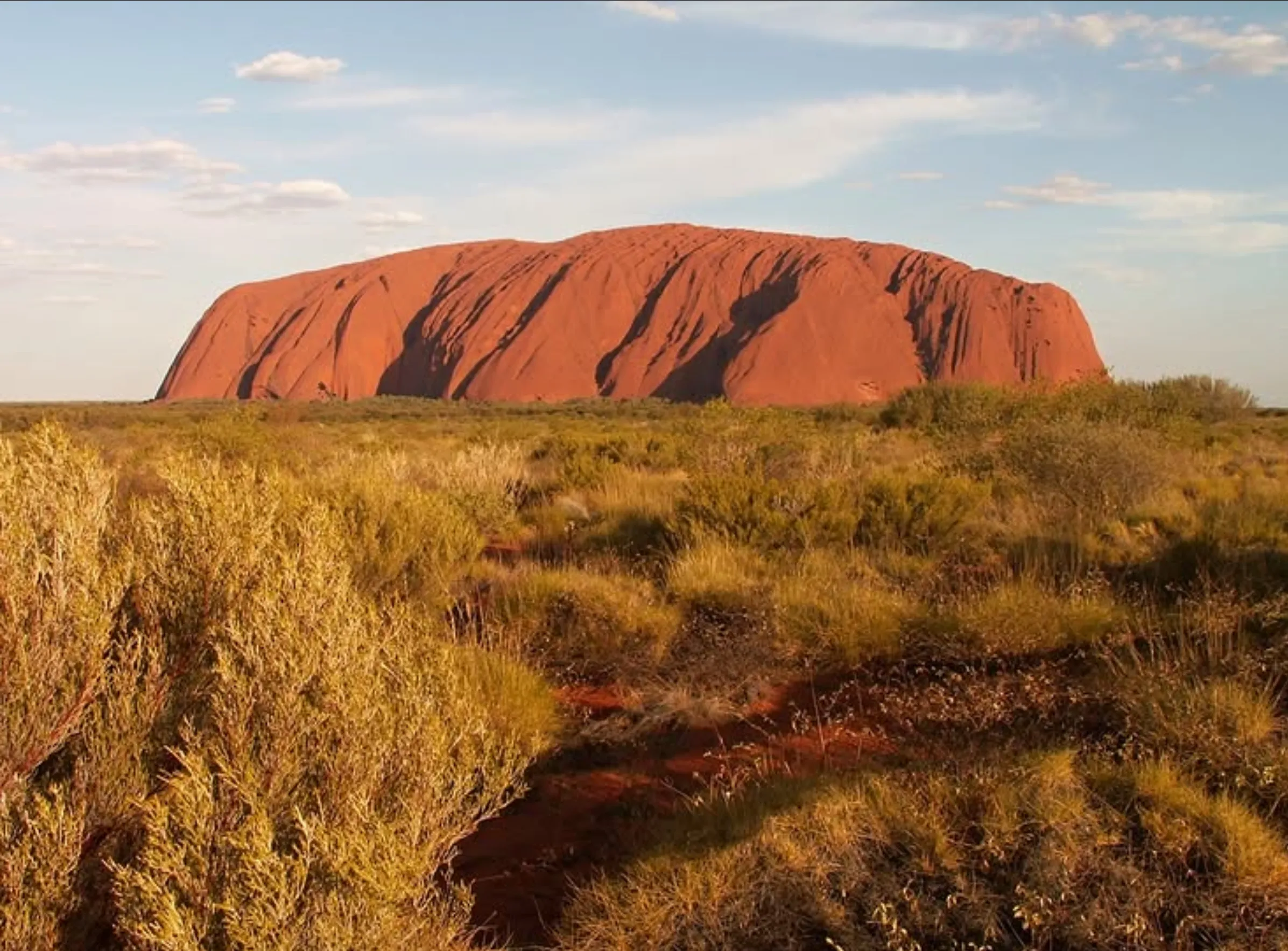
Uluru rises from a vast desert plain, surrounded by spinifex and red dunes, making its transformation at sunset even more dramatic. One of the best shows I’ve seen was during a late dry-season storm. Lightning to the west, blood-red sky behind the rock, and a wall of rain in the distance. Magic.
Nearby tour destinations like Kata Tjuta (The Olgas) offer their own rock-colour spectacle, especially at sunrise, while Kings Canyon is an epic day trip worth adding to the itinerary if you’ve got the legs and the water bottle for it. If you’re short on time, a popular 2 day Uluru tour will still give you a solid glimpse of the desert’s shifting light and colour.
Timing Your Visit Right
When the Weather Works with You
You’ll get the strongest colours during the dry season (May to September), when the skies are clearest and the air is crisp. That’s when the light’s clean, shadows are sharp, and there’s less haze to mute the tones.
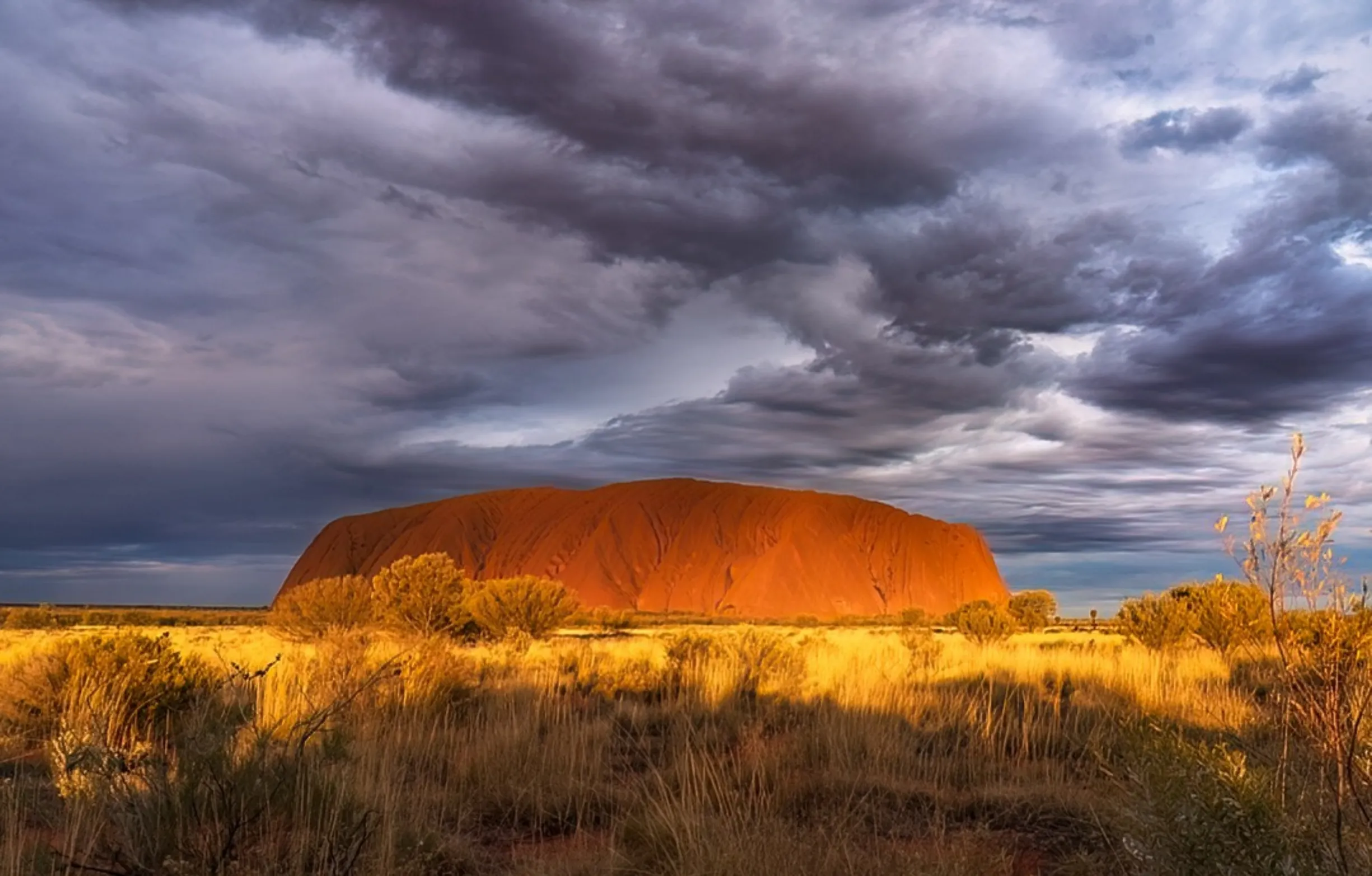
But don’t write off the wet season entirely (November to March). You might get cloud build-up and afternoon storms, but those conditions can actually supercharge the light show. Just be prepared for heat, humidity, and the occasional track closure. The hot desert climate also means you’ll want to bring extra water and sun protection.
Tour companies like Autopia Tours run year-round adventures through the Red Centre, including multi-day trips from Alice Springs that swing past Uluru, Kata Tjuta, and Kings Canyon. Whether you’re doing a loop from the NT capital or joining one of the popular Uluru tours from Yulara, timing it with the sunset is key.
Sunset Times & Planning Ahead
Uluru’s sunset changes with the seasons:
- Winter (Jun–Aug): Around 5.45–6.15 pm
- Spring/Autumn: Around 6.15–6.45 pm
- Summer (Dec–Feb): Closer to 7.00 pm
Give yourself at least 45 minutes beforehand to get set up. Don’t be the person sprinting from the car park with a 2% phone battery and no water.
Where to Watch the Sunset Colours
Best Sunset Viewing Areas (Car Access)
- Talinguru Nyakunytjaku – The most comprehensive lookout, with wide-angle views of both Uluru and Kata Tjuta. Toilets, shaded platforms, and walking trails if you get in early.
- Car Sunset Viewing Area (on the loop road) – Classic straight-on view of the rock with car-side convenience. Gets busy.
Lesser-Known Spots (More Peaceful)
- Dune Walk Lookout – Not many venture out here, but the dune ridges frame Uluru beautifully. Bring fly nets.
- Cultural Centre Walks – Start here mid-arvo and take a walk around the base. You’ll get shifting colours and interpretive signs sharing Anangu stories and Tjukurpa (Traditional Law), passed down by Indigenous communities.
Tip: Stay after the sun dips below the horizon. Some of the deepest purples and reds happen after the main crowd leaves.
Autopia Tours offers guided experiences that include these lesser-known spots — handy if you want local insight and less map fiddling. Their Uluru tour options cater to all types — whether you’re after a fully guided outback experience or a flexible self-drive combo.
How to Photograph the Red Glow (Without Being That Tourist)
Timing and Angles
- Start snapping 30–45 minutes before sunset
- Use a tripod if you’ve got one (the light changes fast!)
- If you’ve got a zoom lens, play with focus — Uluru’s textures are wild in the right light
Respect the Rock
- Don’t fly drones (it’s not just illegal, it’s culturally disrespectful)
- No climbing — Uluru is sacred to the Anangu people
- Stick to marked paths and platforms
And sometimes, leave the camera in the bag. The best shots are often the ones you take with your eyes.
Real Talk: Is It Always Red?
Nope. Sometimes it’s brown. Or grey. Or looks like a giant lump of shadow. If you’re unlucky with clouds or dust haze, you might not get the Instagram shot. But honestly? That’s not the point.
Uluru isn’t a backdrop — it’s a living presence. Watch it breathe. Watch it shift. You’ll walk away with something deeper than a photo.
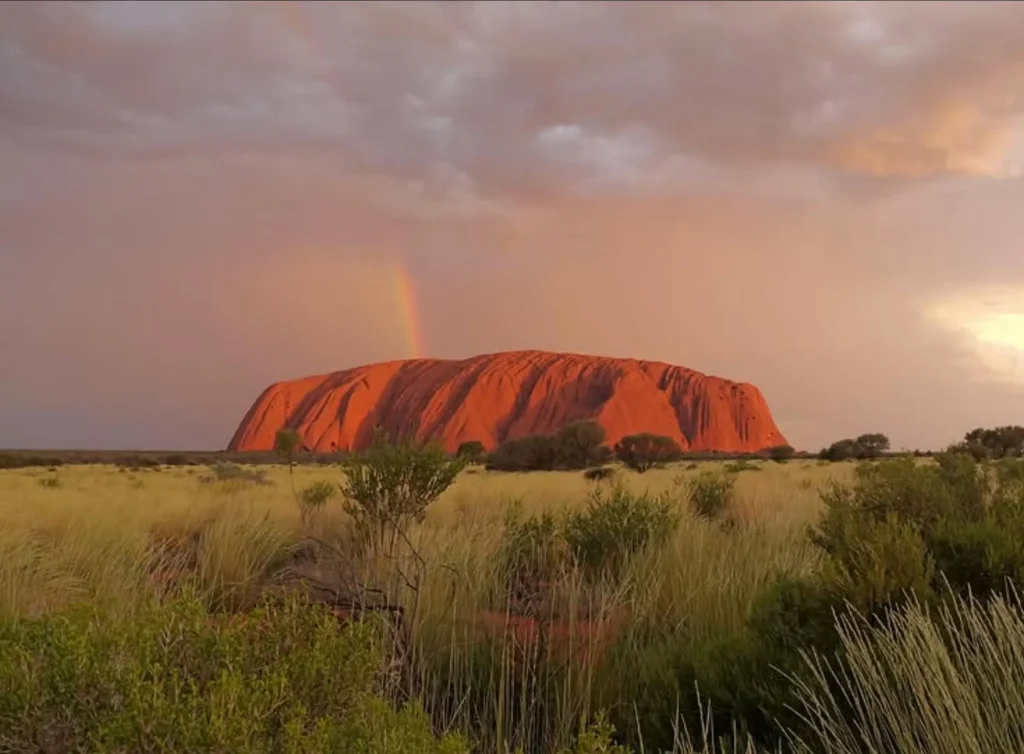
Its layers of sand were originally sand deposited during the creation period hundreds of millions of years ago. Over time, pressure and heat turned it into arkose — one of several unique rock types found in this region. After heavy rain, the rock can even appear darker or streaked, with small waterfalls and pools forming. And yes, there can be mud after rain — so tread carefully.
Trip Planning Essentials
Getting There
- By car: 5.5 hours from Alice Springs via the Lasseter Highway
- By air: Fly into Ayers Rock Airport (Yulara), then transfer to the park
- Park entry: $38 per adult (valid 3 days)
If you’re coming in from the north, an Alice Springs Uluru tour is a brilliant way to hit all the major landmarks with commentary from folks who know the desert like the back of their hand.
What to Pack
- Water (always)
- Fly net (trust me)
- Headlamp or torch if you stay past sunset
- Sturdy shoes — tracks can be uneven
- Camera and binoculars (optional, but worth it)
Cultural Etiquette
- Uluru is sacred to the Anangu Traditional Owners
- Learn a few Tjukurpa stories from the Cultural Centre
- Don’t touch rock art or stray off the path
- Support local guides and Indigenous-owned tours when possible
Respecting the cultural heritage, cultural values, and cultural practices of Indigenous peoples is central to any visit here. You’ll find the tourist facility at Yulara nearby, offering info, tours, and places to stay.
For a hands-off, guided approach, Autopia Tours runs multi-day trips that loop in the best of Central Australia — think cultural walks, bush tucker tastings, and campfire yarns under the stars. They’ve even got flexible Uluru day tours if you’re on a tight schedule but still want that sunset magic.
Final Thought: Let the Rock Speak
There’s something grounding about sitting in stillness and watching a 550-million-year-old rock catch fire in the setting sun. No filter needed. No rush.
Just sit. Watch. Listen. Let the colours come to you.
Planning a trip to Uluru? Flick me a message — happy to share maps, timing tips, or good cuppa spots around Yulara.
Oh, and keep your eyes out for wildlife too — like the desert skink darting between the rocks. Just another reminder that this stunning landscape is alive in more ways than one.
Uluru isn’t just a photo stop — it’s a place to connect with Country, culture, and all forms of people who’ve walked here before us.
Don’t forget: the region’s average rainfall is low, but when it does pour, it transforms the landscape entirely. So bring your sense of wonder — and a poncho, just in case.
FAQ
Why is Uluru red in the first place?
Because of iron oxide in the sandstone, essentially, the rock is rusting. The desert climate keeps that layer dry and rich in colour.
Does Uluru change colour at sunrise too?
Yep! Sunrise brings its own drama — softer pinks and purples. Head to the sunrise viewing area on the eastern side for that show.
What if it’s cloudy during sunset?
Clouds can either soften the colours or amplify them, especially if there’s a break in the cloud layer for the sun to peek through.
Can you camp inside the park?
No, camping isn’t allowed within the national park, but nearby Yulara has everything from campsites to resorts.
How long should I stay to really see the colours?
At least two nights give you the best chance to catch different moods — clear, cloudy, stormy. Every sunset is different.